Evidence intelligence
Your institutional knowledge, queryable, verifiable and compounding.
Every organisation we work with holds more than it can find: years of guidance, evaluations, research, records and the signals that arrive every week. Search only helps the person who already knows the right words. A new coordinator in an outbreak does not.
Evidence intelligence is a knowledge layer built on everything your organisation holds. A reader describes a situation in their own words and receives an answer drawn only from your material, with every statement traced to the passage it came from. When your material has no answer, it says so.
Accuracy is measured, not asserted. Before launch, a set of questions with known answers is scored independently and the result is published with the system. New material is read in continuously, and the benchmark is re-run as the library grows.
It runs on our infrastructure or on yours. If your data must stay in a particular country or on your own servers, that is an option the proposal prices, never a premise.
And it compounds: the same layer extends into working-group spaces, monitoring and briefings, donor reporting and training, so each month’s material makes the next month’s answers better. The first build, the Knowledge bank for The Collective Service, has read 279 documents and is in testing.
What it does
Reads everything you hold
Documents, data, records and incoming signals, read in as they arrive.
Answers in plain language
A reader describes the situation in their own words; the advice is drawn only from your material.
Cites every statement
Each point is traced to its source, so a reader can open the passage and check it.
Says when there is no answer
Nothing comes from outside your material. If it is not there, the answer says so.
Is benchmarked and published
Questions with known answers, scored independently before launch and re-run as material is added.
Lives where you decide
On our infrastructure or your own servers; access set by you, from your team to the public.
Where it goes next
Working-group spaces
Members, documents and discussion in one place, answerable from the same material.
Monitoring and briefings
New signals read in as they arrive, with a digest for the people who need it.
Donor reporting
What the money bought, drawn from the record rather than rewritten from memory.
Operator training
Your team taught to run it, add to it and read its benchmark.
Each is scoped and priced as its own stage.
Fees
A knowledge system from CHF 75,000, fixed to scope and invoiced in Swiss francs. After launch, the Platform care plan, from CHF 5,800 a month, reads in new material, re-runs the benchmark and sends a monthly digest. All fees →
On the record
- 279 documents read into the Knowledge bank (The Collective Service, 4 November 2026)
- Every answer cited to the library’s own documents
- Says so when the library has no answer
From the work
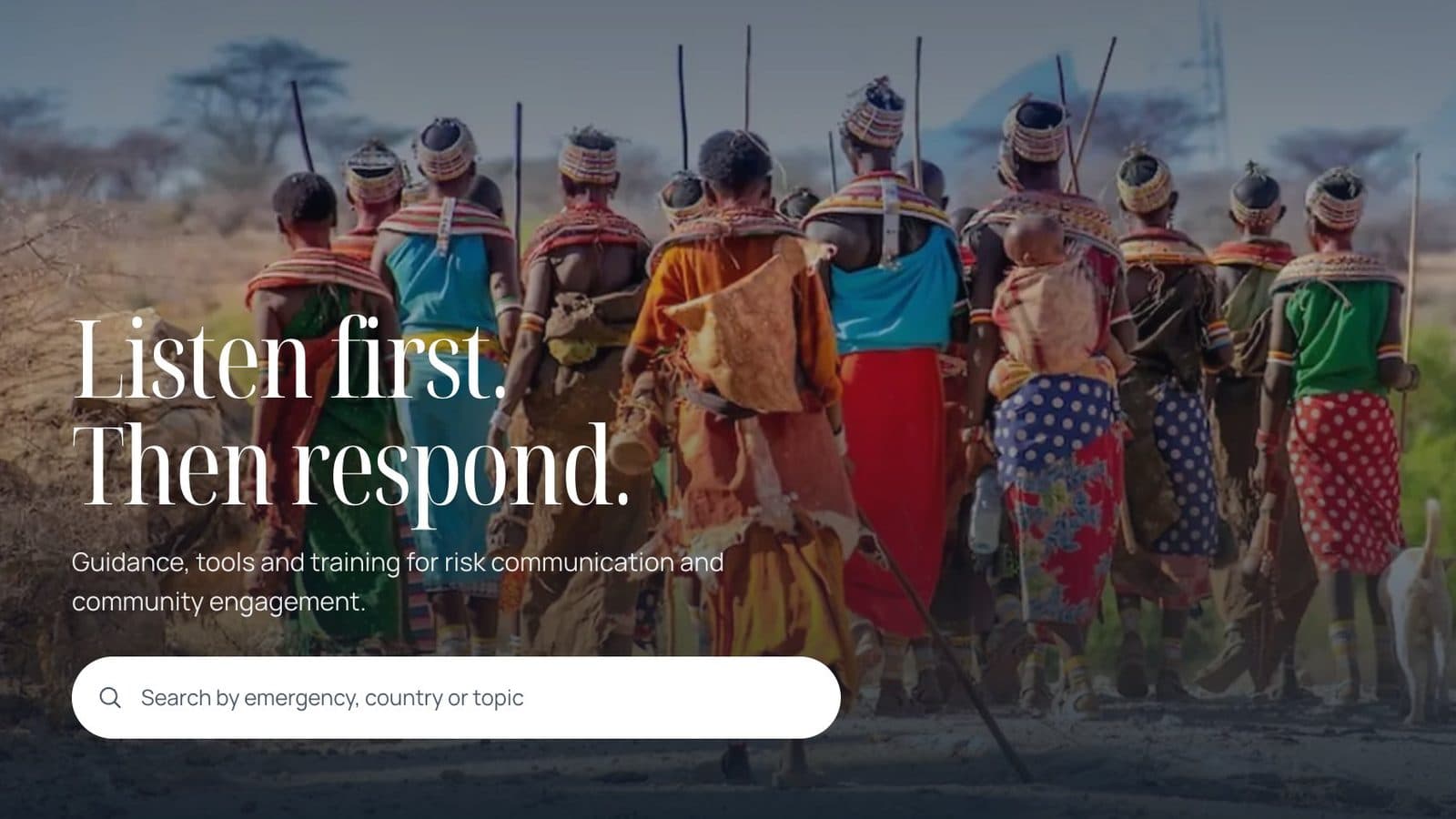
The Collective Service
Partnership · 2026 · The Knowledge bank, in testing: advice drawn only from the library, every point cited.
Read the case study →Questions we are asked
How do we know the answers are right?
You measure them. Before launch we agree questions with known answers from your material; they are scored independently and published, and re-run monthly on the Platform plan.
Where does our data live?
On our infrastructure or on yours. If it must stay in a country or on your servers, the proposal prices that option.
Contact
Send us the brief.
A rough brief or a terms of reference is enough. Matthew Bowman replies the same business day, and you have a fixed-fee proposal within five working days.